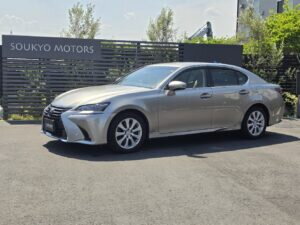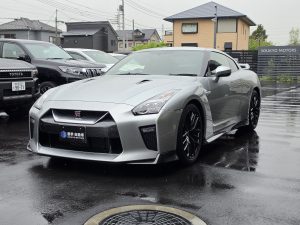
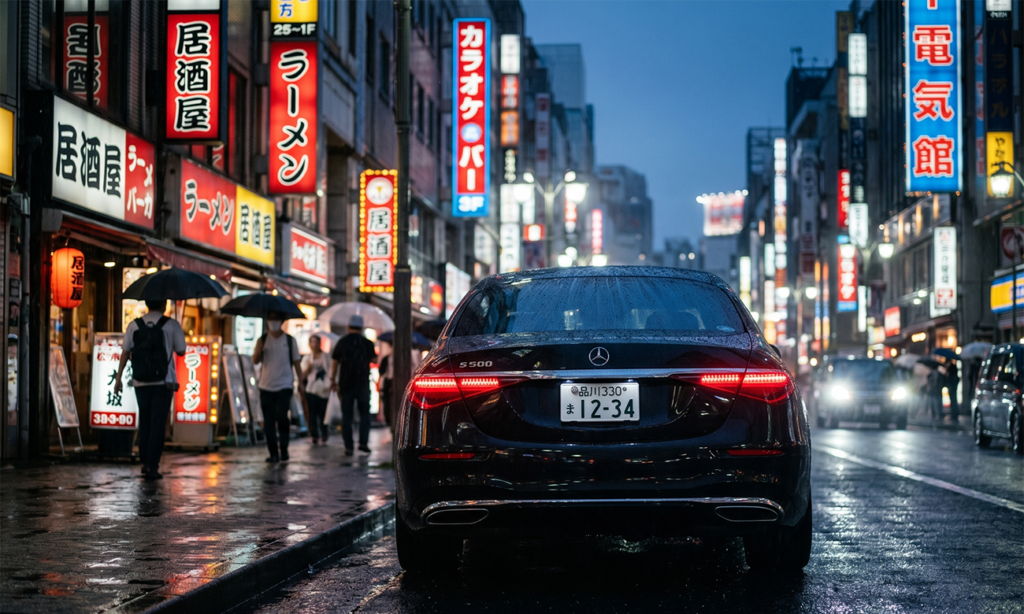
“That Shinagawa plate looks kind of cool” — if you’ve ever caught yourself thinking that, you’re not alone.
The black Mercedes idling at an Akasaka intersection. The Alphard rolling out from beneath Roppongi Hills. The sports car cutting through the bayside skyline at night. They all share one detail: those two green characters on a white background that read Shinagawa (品川).
A friend who moved to Tokyo from the countryside once told me, “The first time I saw a Shinagawa-plated car up close, that’s when Tokyo started feeling real.” Half-joking, half not. For many in Japan, the Shinagawa plate is a kind of unofficial badge of inner-Tokyo cool — and that cultural shorthand runs deep.
So how do you actually get one on your own car? This guide walks through the system, the geography, the five legal paths, and the one trick you absolutely should not pull — with a healthy dose of honesty about what’s realistic.
What Makes the Shinagawa Plate So Coveted?
A Mix of Geography and Pop Culture
- The geography is elite: the Shinagawa region covers some of Japan’s priciest real estate — Minato, Chiyoda, Shibuya, and beyond. The postal codes alone do half the work.
- Movies and TV reinforce it: luxury cars in any Tokyo-set drama almost always wear Shinagawa plates. After enough years of viewing, the association becomes automatic.
- It signals “I made it to Tokyo”: for people who relocated from the countryside, owning a car with a Shinagawa plate can carry real symbolic weight.
Yes, it’s just a piece of metal. But cars and identity have always been entangled, and Japan is no exception.
“Shinagawa” vs. “Preferred Number” — Don’t Confuse Them
- The regional name (Shinagawa, Nerima, Adachi, etc.): determined automatically by your vehicle’s “base of use” address. You cannot choose it.
- The four-digit number (…1, 7777, etc.): you can choose this through the Preferred Number system, with a lottery for popular combinations.
So in “Shinagawa 33 ma 1234”, the “Shinagawa” part is dictated by location, while “1234” is your call. This article is about the former.
Only Seven Wards (Plus the Islands) Get a Shinagawa Plate
Many people assume the Shinagawa plate covers most of central Tokyo. In reality the catchment is far narrower. The Tokyo Transport Bureau, Shinagawa Vehicle Inspection and Registration Office serves only the following seven wards plus the Izu and Ogasawara island chains:
| Area | Wards / Region |
|---|---|
| Central three | Chiyoda, Chuo, Minato |
| South-central three | Shinagawa, Meguro, Ota |
| Shibuya | Shibuya |
| Islands | Izu Islands (Oshima, Miyakejima, Hachijojima, etc.) and the Ogasawara Islands |
Other 23-ward areas that look “central” but actually don’t get a Shinagawa plate:
- Nerima plate: Nerima, Toshima, Kita, Bunkyo, Shinjuku, Nakano (yes, Shinjuku is Nerima territory, despite what your gut says).
- Adachi plate: Adachi, Arakawa, Taito, Sumida.
- Setagaya plate: Setagaya only — spun off as its own local plate in 2014.
- Suginami plate: Suginami only.
- Itabashi plate: Itabashi only.
- Koto plate: Koto only.
- Katsushika plate: Katsushika only.
- Edogawa plate: Edogawa only (newly established May 7, 2025).
The short version: the 23 wards used to fall into just three plate zones (Shinagawa, Nerima, Adachi). The local-plate movement has progressively splintered them into the patchwork above. Move from Ikebukuro (Toshima) to Meguro and your plate really does upgrade from Nerima to Shinagawa overnight.
The Real Key: “Base of Use”, Not “Residence”
Most People Misunderstand This
“My residence card says Saitama, so I can never get a Shinagawa plate, right?” — a very common assumption, and a wrong one. Vehicle registration in Japan is based on the “base of use” (shiyou no honkyo) address, not your residential address.
The base of use is, plainly, the place from which the vehicle is actually used. It usually matches the owner’s residence, but it doesn’t have to. That gap is where most legal Shinagawa-plate strategies live.
Examples That Actually Pass Inspection
- Case 1: You live in Yokohama but commute to Minato by car, with parking secured at or near your office. → Minato can be your base of use.
- Case 2: You live in Saitama but spend many weekends at your parents’ home in Ota, parking the car in their garage. → Ota can qualify (with the parents’ written consent).
- Case 3: You’re a sole proprietor or company representative with an office in Chiyoda, and the vehicle is used for business. → Chiyoda can be the base of use.
The bedrock principle: the vehicle must genuinely operate from that location. Where your residence card lives is secondary; the actual usage pattern is what matters.
Five Legal Paths to a Shinagawa Plate
Path 1: Just Move into One of the Seven Wards
The most direct method, and the most expensive. Move your residence into Shinagawa-jurisdiction territory, secure a nearby parking space, and the plate comes automatically.
Yes, people really do move to Meguro specifically to get a Shinagawa plate. Whether your wallet agrees is another question.
Path 2: Use Your Workplace as the Base of Use
If your office is inside the seven-ward zone and you can secure parking on company premises (or within 2 km), and the company is willing to provide written consent that this location serves as the vehicle’s base of use, you’re in business.
How exactly you ask your boss to “let me use the company address for my dream license plate” — that’s a negotiation challenge we leave to you.
Path 3: Use a Family Member’s Address
If parents or close relatives live in one of the seven wards, you can register the vehicle’s base of use at their address. The conditions:
- You actually visit and use the vehicle from there with reasonable frequency.
- You have written consent from the relative and a secured parking space (their garage or a nearby monthly-rental lot).
- You can document the family relationship and the usage pattern at application time.
A pattern like “I drive out from my parents’ place in Ota on weekends” is well within the realm of acceptable cases.
Path 4: Register Through a Sole Proprietorship or Company
If you run a business, this is the most natural route. Office in the seven wards, vehicle used for business, base of use = office address.
One caveat: virtual offices have come under much closer scrutiny in recent years. Authorities now require genuine operational substance at the address. Renting a mailbox alone won’t fly.
Path 5: Rent a Garage in the Zone (Advanced)
Rent a monthly parking spot in the seven-ward area and register it as your base of use. The catch: if the spot sits empty most of the time, the application is treated as fraudulent.
Police inspectors visit on foot, look at neighboring units, check whether the address has a real presence, and read the absence of life pretty quickly. Without genuine usage, this approach drifts straight into the territory described next.
Don’t Even Think About It: “Shako Tobashi”
“My friend lives in Shibuya — can I just borrow their address for the parking certificate?”
The thought has crossed many minds. But this practice — registering a parking space at an address where the vehicle isn’t really stored or used — has a name: shako tobashi. And it’s a crime.
Penalties under the Garage Law include:
- False parking-location filings: fines of up to 200,000 yen.
- Aggravated cases (treated as falsifying official documents): up to 5 years’ imprisonment or 500,000 yen in fines.
The police take this seriously. Officers visit registered locations, cross-check aerial maps, and conduct unannounced follow-up inspections. Both the address borrower and lender face penalties. Don’t trust shortcut posts you find on social media.
Trading a clean record for a license plate is a bad deal in any economy.
The Application Process
Once your base of use is established, the rest follows the standard registration flow:
| Step | Where | Key Documents |
|---|---|---|
| 1. Parking certificate (Shako Shoumei) | Police station with jurisdiction over the base of use | Application form, location/layout maps, consent form or self-declaration, proof of address |
| 2. Registration | Shinagawa Vehicle Inspection and Registration Office | Parking certificate, seal certificate, power of attorney, OCR forms, etc. |
| 3. Plate issuance | Same as above | The new “Shinagawa” plate is issued on the spot |
If your residence and base of use differ, you’ll also need “proof of base-of-use location” — documents like postmarked mail, utility bills, or a rental contract for the garage.
Common Misconceptions
“Surely Shinjuku is Shinagawa territory?”
It is not. Shinjuku belongs to the Nerima plate, as do Bunkyo and Nakano. The “feels central, must be Shinagawa” instinct misfires often.
“Setagaya counts as Shinagawa, right?”
Also no. Setagaya spun off into its own Setagaya plate in 2014. Plenty of residents grumbled at the time that they’d rather have kept Shinagawa.
“You can pick the regional name through Preferred Numbers.”
You can’t. Preferred Numbers govern the four digits only. The regional name is set automatically by the base of use.
“Kei cars (mini cars) with Shinagawa plates look just as sharp.”
The regional naming works the same way, but kei-car plates are yellow, which dilutes the visual impact. “Shinagawa 480 a ○○” is technically valid, just less iconic.
An Honest Take from a Yashio Dealer
Our shop sits in Yashio, Saitama, where most cars end up with “Kasukabe” or “Adachi” plates (Yashio falls under Kasukabe jurisdiction). We get the “I work in Tokyo, can I have a Shinagawa plate?” question regularly.
Our usual three-track answer:
- If your office or business is inside the seven-ward zone: we’ll happily handle the base-of-use change paperwork end to end.
- If it’s purely aspirational: we’d genuinely recommend embracing your current plate. Kasukabe has gained pop-culture cachet thanks to a certain animated character, after all.
- If you’re considering moving anyway: we won’t help with the apartment hunt, but the moment you’ve moved we’ll handle every related vehicle formality for you.
Channeling that budget into legal customizations — preferred numbers, illustrated plates, paint, wheels — almost always produces a more lasting kind of satisfaction than gambling on a workaround.
Find a Used Car
Over 100 hand-picked quality vehicles in stock. Every car comes with warranty and pre-delivery inspection.
Wrap-Up
The Shinagawa plate is, in effect, a badge worn only by vehicles whose real operating base sits in seven of Tokyo’s central wards (plus the islands). Even if you live elsewhere, work, family ties, or business operations can open legitimate paths to it. What you cannot do — legally or sensibly — is borrow an address you don’t actually use. That’s where fines and worse begin.
If you love cars, sooner or later the Shinagawa plate catches your eye. We hope this guide helps map the gap between admiration and acquisition with clear eyes.
Frequently Asked Questions
Q. My residence card says Saitama. Can I still get a Shinagawa plate?
A. Yes. As long as the vehicle’s “base of use” is genuinely within the seven Shinagawa-jurisdiction wards and you can document that usage, your residence card can be from anywhere. Workplaces, parents’ homes, and offices are common qualifying setups.
Q. Which wards does the Shinagawa plate cover?
A. Seven wards: Chiyoda, Chuo, Minato, Shinagawa, Meguro, Ota, and Shibuya, plus the Izu and Ogasawara island chains. Shinjuku, Bunkyo, and Nakano use the Nerima plate; Setagaya and Suginami have their own local plates.
Q. Can I use a virtual office to obtain a Shinagawa plate?
A. Generally not advisable. Recent inspections weight “actual business activity” and “real vehicle usage” heavily, and virtual-office-only registrations are increasingly classified as shako tobashi — a high-risk path.
Q. Can I select “Shinagawa” through the Preferred Number system?
A. No. Preferred Number lets you pick the four-digit portion only. The regional name is determined automatically by the base-of-use location.
Q. After I move into the Shinagawa zone, how soon can my plate change?
A. Right after moving, obtain a new parking certificate and visit the Shinagawa Vehicle Inspection and Registration Office for a “change registration.” The plate is swapped on the same day. Total fees usually run between 5,000 and 10,000 yen.
Contact Us
Buying, selling, inspections, rentals — whatever your question, we're happy to help.