
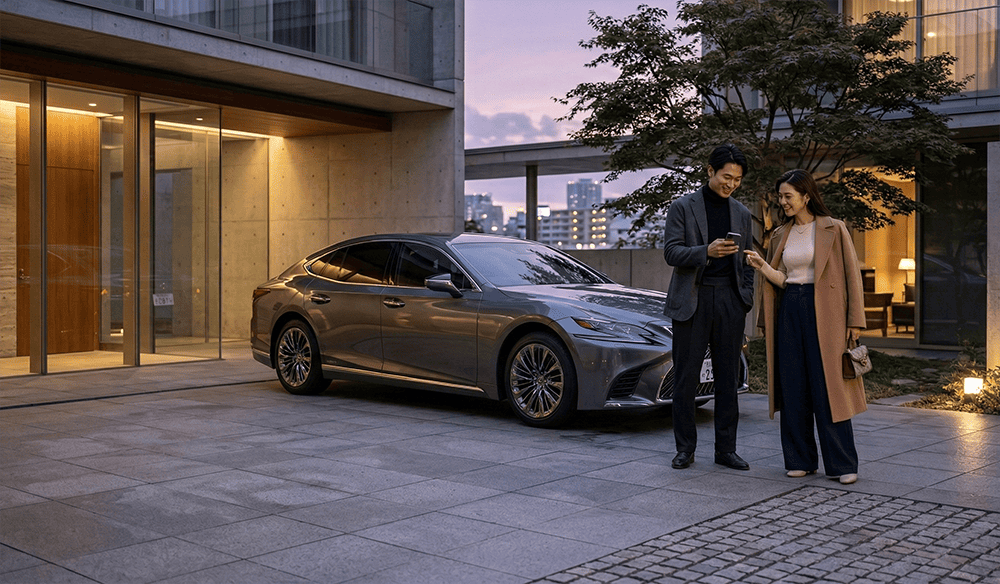
Australia is one of the largest markets for Japanese used vehicles. Thanks to shared left-hand drive, similar road conditions, and a strong appetite for reliable Japanese engineering, tens of thousands of cars make the journey from Japan to Australia every year.
In this guide, we break down everything you need to know — from eligibility rules to landed costs — so you can make an informed decision before purchasing.
Who Can Import? Understanding Australia’s Vehicle Import Rules
Australia’s Department of Infrastructure regulates all vehicle imports through the Road Vehicle Standards Act 2018 (RVSA). Since the full transition from the old MVSA framework, the two main pathways for importing a used vehicle are:
- SEVS (Specialist and Enthusiast Vehicle Scheme) — For vehicles that were never sold new in Australia but meet specific criteria (performance, rarity, or specialist use). Most JDM sports cars enter through SEVS.
- RAW (Registered Automotive Workshop) Scheme — Certain RAW-approved workshops can import and comply vehicles under specific categories.
Personal imports by individuals (outside of these schemes) are generally not permitted unless you qualify for a concessional entry (e.g., returning Australian residents who have owned the vehicle for 12+ months).
SEVS-Eligible Vehicles: What Can You Import?
The SEVS register lists specific makes, models, and variants that are approved for import. Popular Japanese vehicles on the SEVS list include:
- Nissan Skyline GT-R (R32, R33, R34)
- Toyota Supra (A80)
- Mazda RX-7 (FD3S)
- Subaru Impreza WRX STI (GC8, GDB)
- Mitsubishi Lancer Evolution (IV–IX)
- Honda NSX, Integra Type R
- Toyota Chaser / Mark II (JZX100)
- Nissan Silvia (S13, S14, S15)
Important: The SEVS list is periodically updated. Always check the current register before committing to a purchase.
Step-by-Step Import Process
1. Vehicle Selection & Inspection
Choose a vehicle from Japanese auction (USS, HAA, TAA) or dealer stock. At Soukyo, we provide full auction sheets, condition reports, and can arrange independent pre-purchase inspections.
2. Export from Japan
Once purchased, the vehicle undergoes export deregistration (輸出抹消登録) at the Japanese Land Transport Office. We handle all documentation including the Export Certificate, invoice, and packing list.
3. Shipping
Vehicles are shipped via RoRo (Roll-on/Roll-off) or container. RoRo is typically cheaper for standard vehicles; containers offer better protection for high-value cars.
| Route | RoRo | Container (20ft) | Transit Time |
|---|---|---|---|
| Japan → Sydney | ~¥80,000–120,000 | ~¥180,000–250,000 | 14–21 days |
| Japan → Melbourne | ~¥85,000–130,000 | ~¥190,000–260,000 | 16–23 days |
| Japan → Brisbane | ~¥80,000–120,000 | ~¥180,000–250,000 | 12–18 days |
4. Australian Customs & Quarantine
Upon arrival, the vehicle must clear Australian Border Force (ABF) customs and DAFF biosecurity inspection. The vehicle interior and undercarriage are inspected for biological contaminants (soil, seeds, insects).
Duty & GST:
- Import Duty: 5% of customs value
- GST: 10% of (customs value + duty + shipping + insurance)
- Luxury Car Tax: applies if value exceeds the LCT threshold (~AUD $76,950 for fuel-efficient, ~AUD $69,152 for others in 2025-26)
5. Compliance & Registration
SEVS vehicles must be complied by a Registered Automotive Workshop (RAW). Compliance typically costs AUD $3,000–$8,000 depending on the vehicle and required modifications (ADR compliance, emissions, child restraint anchors, etc.).
After compliance, you receive a Compliance Plate and can register the vehicle in your state.
Total Cost Estimate
For a typical SEVS-eligible vehicle valued at ¥2,000,000 (~AUD $20,000):
| Item | Estimated Cost |
|---|---|
| Vehicle purchase | ¥2,000,000 |
| Japan-side fees (deregistration, transport to port) | ¥50,000–80,000 |
| Shipping (RoRo to Sydney) | ¥100,000 |
| Marine insurance | ¥30,000 |
| Import duty (5%) | ~AUD $1,100 |
| GST (10%) | ~AUD $2,300 |
| Quarantine & customs clearance | AUD $500–1,000 |
| RAW compliance | AUD $3,000–8,000 |
| Total landed cost | ~AUD $30,000–35,000 |
Frequently Asked Questions
Can I import any Japanese car to Australia?
No. The vehicle must be on the SEVS register or qualify under another approved import pathway. Standard passenger cars that were already sold in Australia (e.g., Toyota Corolla) are generally not eligible for personal import.
How long does the entire process take?
Typically 6–10 weeks from purchase to registration: 1–2 weeks for Japan-side paperwork, 2–3 weeks shipping, 1–2 weeks customs/quarantine, and 2–4 weeks for compliance workshop.
Is it worth importing vs. buying locally?
For rare or enthusiast vehicles (GT-R, Supra, RX-7, etc.), importing from Japan often gives you access to better condition, lower mileage examples at competitive prices — even after all import costs. For common vehicles, buying locally is usually simpler and cheaper.
Why Choose Soukyo?
At Soukyo (株式会社創挙), we manage the entire export process from our base in Saitama, Japan. From vehicle sourcing at Japanese auctions to export documentation, shipping coordination, and liaison with Australian compliance workshops — we handle everything so you don’t have to.
- Direct access to all major Japanese auto auctions
- In-house export documentation and customs clearance
- Multilingual support (Japanese, Chinese, English)
- Transparent pricing — no hidden fees
Contact Us
Buying, selling, inspections, rentals — whatever your question, we're happy to help.
Disclaimer: Import regulations change frequently. This guide reflects rules as of early 2026. Always verify current regulations with the Australian Department of Infrastructure before making a purchase decision.

アクアトヨタ2018年式はメルボルンまで到着する時いくらなりますか。