Where you buy a used car “makes a big difference” in your satisfaction level. Even with the same vehicle, there are significant differences in price, warranty, and after-sales service depending on the dealership. In this article, we explain 5 key criteria for identifying a trustworthy used car dealer.
Criterion 1: Do They Have Their Own Service Facility?
The most important point when selecting a used car dealership is whether they have their own service facility.
- Pre-purchase inspections can be done in-house, ensuring thorough quality control of vehicles
- Post-purchase vehicle inspections, repairs, and maintenance can be handled in one place
- With no outsourcing costs, maintenance costs are kept low
Dealerships with certifications like “certified workshop” or “designated workshop” have equipment and expertise that meet national standards.
Criterion 2: Is the Warranty Coverage Comprehensive?
Warranty coverage reflects the dealership’s confidence in their vehicles. Check the following:
- Warranty period (3 months to 2 years)
- Scope of covered parts (engine, transmission, electrical systems, etc.)
- Presence or absence of deductibles
- Availability of extended warranty options
Shops that sell “as-is” or “warranty-free” at low prices may have concerns about vehicle condition. Always confirm the reason for the low price.
Criterion 3: Total Price Display and Price Transparency
Trustworthy dealerships display prices transparently.
- They provide quotes with total price (ready-to-drive price)
- Estimate documents clearly itemize all fees and charges
- No unexplained fees like “sales fee” or “service fee”
For more details on total price display, please refer to “What is Total Price Display for Used Cars?“
Criterion 4: Check Reviews and Reputation
Google Maps reviews are the most reliable source for hearing from actual customers.
- Number of reviews: More reviews mean higher credibility
- Content of reviews: Specific feedback like “polite service” or “clear explanations”
- How they respond to negative reviews: Whether the shop responds sincerely is also a good indicator
Criterion 5: Staff Response and Approachability
Ultimately, what matters most is “people”. Dealerships like these can be trusted:
- They explain not just the positives of a car, but also its drawbacks honestly
- When you tell them your budget, they don’t push expensive cars on you
- They explain things in simple language, avoiding technical jargon
- They don’t rush you to buy and give you time to think
Find a Used Car
Over 100 hand-picked quality vehicles in stock. Every car comes with warranty and pre-delivery inspection.
Summary
To choose a trustworthy used car dealership, evaluate them based on these 5 criteria: ① own service facility ② warranty coverage ③ price transparency ④ reviews ⑤ staff response.
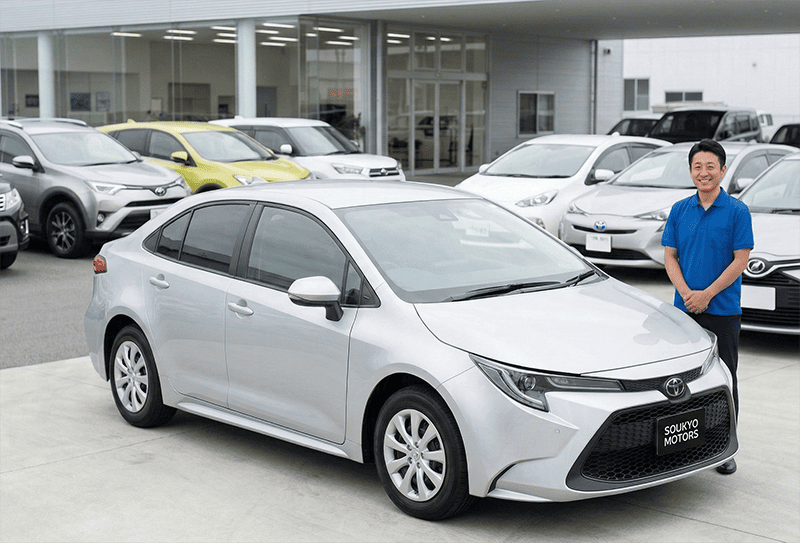
Sogyomovers is equipped with our own certified service facility, and we offer all vehicles with warranty coverage and total price display. If you’re looking for a used car in Yashio, Soka, or Koshigaya, please also check out our company profile.
Contact Us
Buying, selling, inspections, rentals — whatever your question, we're happy to help.
Frequently Asked Questions
Which is better: large chain dealerships or local independent shops?
Large chains benefit from inventory size and brand reputation, but prices tend to be higher. Local independent shops excel in flexible service and thorough after-sales support. If you want consistent support from purchase through vehicle inspections and repairs, a local shop with their own service facility is recommended.
Where can I check reviews for used car dealerships?
Google Maps reviews are the most reliable. Check both the “number” and “content” of reviews. How the shop responds to negative reviews is also a good indicator of their attitude.
Are used car dealership estimates free?
Yes, most dealerships provide free estimates. We at Sogyomovers also provide free quotes. We recommend comparing estimates from multiple shops to make an informed decision.
Which is cheaper: private sales or used car dealerships?
Private sales may have lower vehicle prices, but you handle all registration, insurance paperwork, and assume all repair risks with no warranty. Considering repair risks, purchasing a warranty-covered vehicle from a dealership often ends up being more cost-effective and worry-free overall.